
When Wood-Fired Charm Meets Kitchen Exhaust Reality: Lessons from a Dupont Circle Restaurant Fire
Courtesy of The District of Columbia Fire and EMS Department
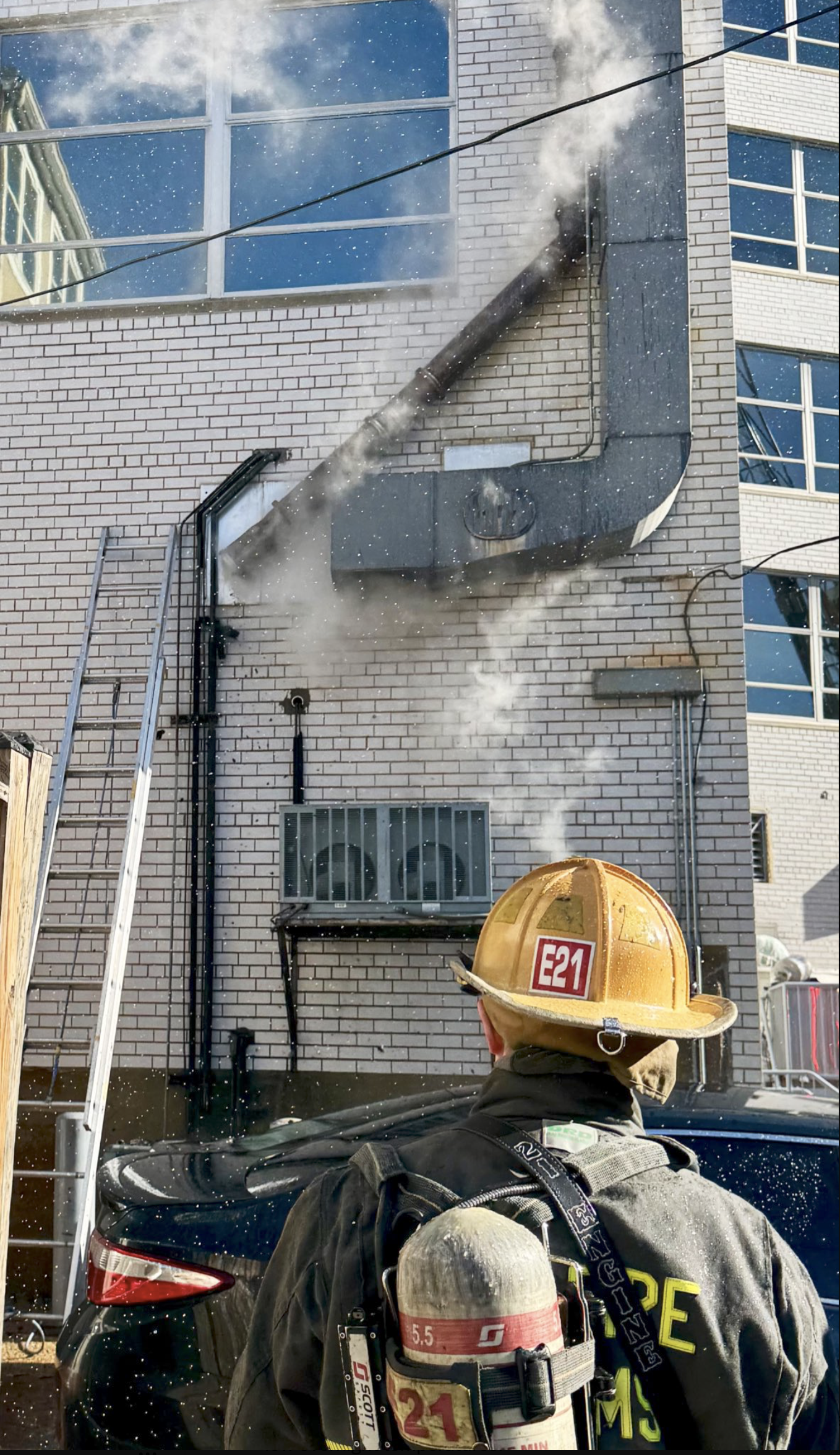
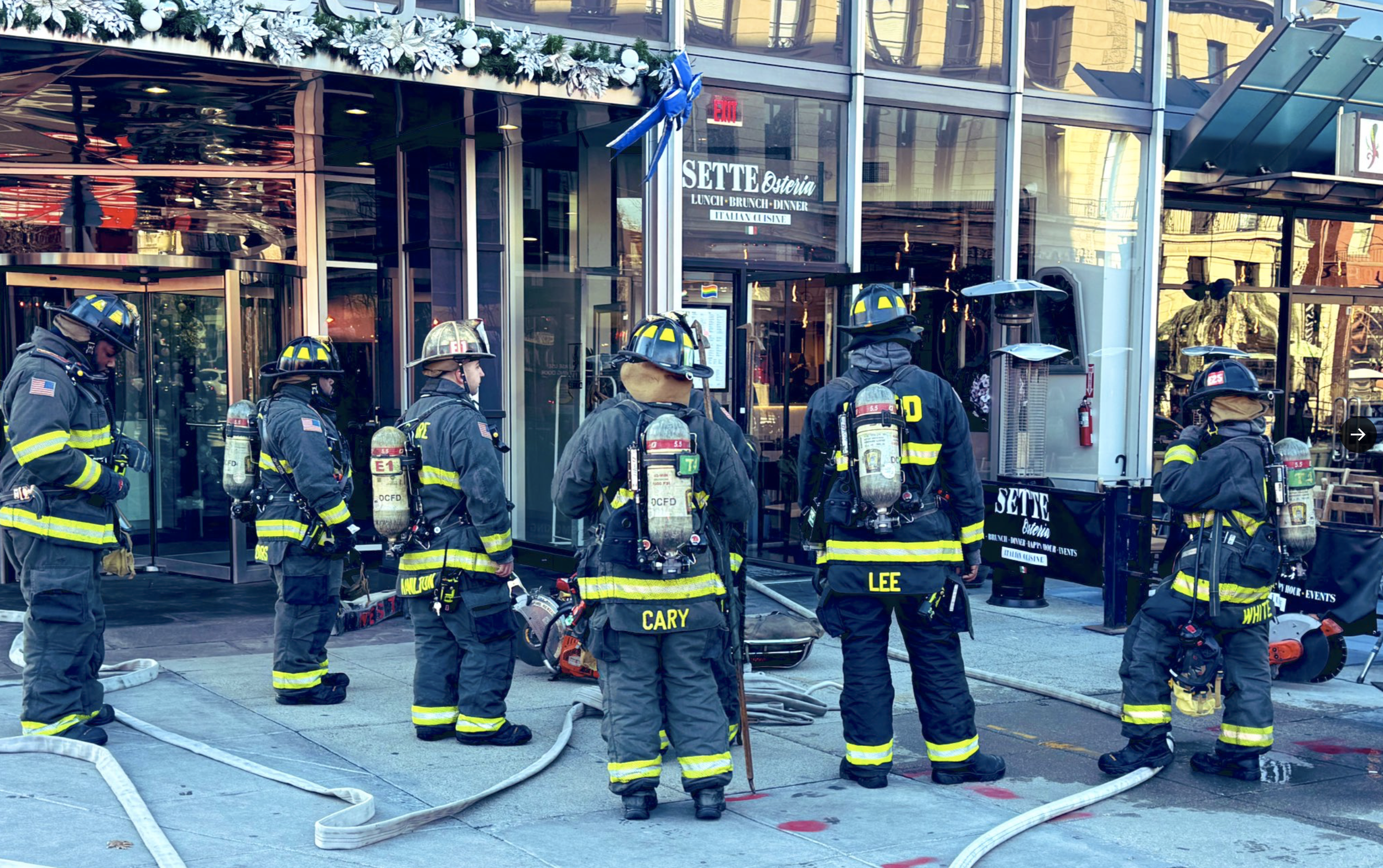
On Saturday, December 20th, DC Fire and EMS responded to a box alarm at Sette Osteria, a popular Italian restaurant in Dupont Circle known for its wood-fired pizza oven and open kitchen concept. According to fire department reports, crews encountered a fire in the ductwork that had traveled from the restaurant kitchen up the exterior of the multi-story commercial building. Firefighters opened up the ductwork, extinguished the blaze, and fortunately reported no injuries. The restaurant is now temporarily closed while recovery efforts continue.
While the official cause of this particular fire remains under investigation, the incident offers an opportunity to reflect on the inherent challenges that solid fuel cooking — which includes cooking with wood-fired pizza ovens — presents for commercial kitchen fire safety. The primary concern with solid fuel appliances is that the fuel itself generates ash, soot, and other combustible particulates that mix with grease-laden vapors as they rise into the exhaust system. This combination coats hood plenum chambers, ductwork, and fan components with considerably more "fuel" than what accumulates from gas or electric cooking operations. Where a conventional kitchen exhaust system collects grease deposits, a solid fuel system collects grease deposits supercharged with combustible solids, creating a fire load that builds faster. Add to this the airborne sparks and embers that solid fuel cooking naturally produces, and you have both an accelerated fuel accumulation problem and a ready ignition source traveling through the same system.
NFPA 96, the national standard for ventilation control and fire protection of commercial cooking operations, recognizes this elevated hazard by imposing significantly stricter requirements on solid fuel systems. Most notably, exhaust systems serving wood-fired ovens and similar equipment must be inspected and cleaned monthly, as compared to quarterly for high-volume conventional cooking or semi-annually for moderate operations. The standard also mandates spark arrestor devices to catch embers before they enter the ductwork, and it requires that solid fuel exhaust systems remain entirely separate from systems serving other cooking equipment. The grease removal devices themselves must be constructed of steel or stainless steel and positioned at least four feet above the cooking surface. These aren't arbitrary requirements; each addresses a specific vector through which solid fuel cooking can lead to catastrophic duct fires.
Courtesy of The District of Columbia Fire and EMS Department
The monthly cleaning mandate exists because accumulation of combustable material in solid fuel systems isn't just a source of fuel waiting for an ignition source — in this case, the ignition source is built into the operation. Every time a log shifts or a coal bed is stirred, sparks rise into the hood. The more grease and other combustable material that is present in the ducts, the greater the likelihood that one of those sparks finds fuel. Regular, thorough cleaning by trained professionals removes this accumulated hazard before it can combine with an errant ember. For restaurant operators with wood-burning equipment, staying on a monthly cleaning schedule isn't just about code compliance, it's the primary line of defense against dangerous and costly duct fires.
The Sette Osteria fire serves as a timely reminder that the ambiance and flavor benefits of solid fuel cooking come with real fire protection responsibilities. Restaurant owners operating wood-fired pizza ovens, charcoal grills, or similar equipment should verify that their exhaust systems meet all NFPA 96 requirements for solid fuel operations, including spark arrestors, proper separation from other systems, and most critically, adherence to the monthly cleaning schedule. The charm of an open flame in the kitchen is undeniable, but so is the need to manage the risks that come with it.